

Tannat, Untethered

How Uruguay is Leading the Biological Wine Revolution
eyesonuruguay
While Uruguay has long been celebrated for its robust Tannat, a new movement is taking root in its rolling hills. “Biological” (organic and biodynamic) viticulture is no longer a niche experiment; it is becoming a cornerstone of the country’s high-value export strategy.
Uruguay’s humid Atlantic climate traditionally made organic farming difficult due to fungal pressure. However, a new generation of winemakers is proving that with precision technology and a deep respect for soil health, “clean” wine is the future of the region.
The Rise of the Biological Vineyard
In Uruguay, the shift toward organic and biodynamic practices is driven by a desire to express Terroir—the unique signature of the land—without the interference of synthetic chemicals. These vineyards treat the farm as a closed loop, using natural composts, cover crops to manage nitrogen, and even local animals to maintain the ecosystem.
Leading Examples of Sustainable Viticulture
1. Bodega Garzón: The Sustainable Standard-Bearer
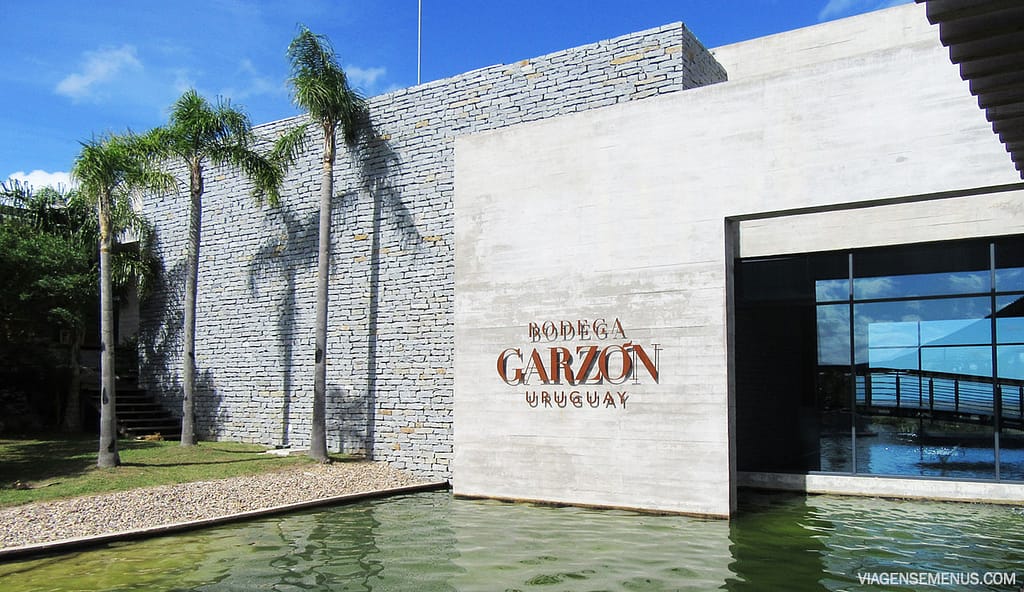
While not exclusively 100% organic across every single plot, Bodega Garzón is the global poster child for sustainable winemaking. It was the first winery in the world to earn LEED Certification for its entire facility.
- The “Bio” Edge: They prioritize sustainable management by eliminating herbicides and synthetic products, focusing instead on biodiversity. Their vineyards are integrated into the native landscape of “ballast” hills, preserving indigenous forests and palm trees alongside the vines.
2. De Lucca: The Pioneer of Low Intervention
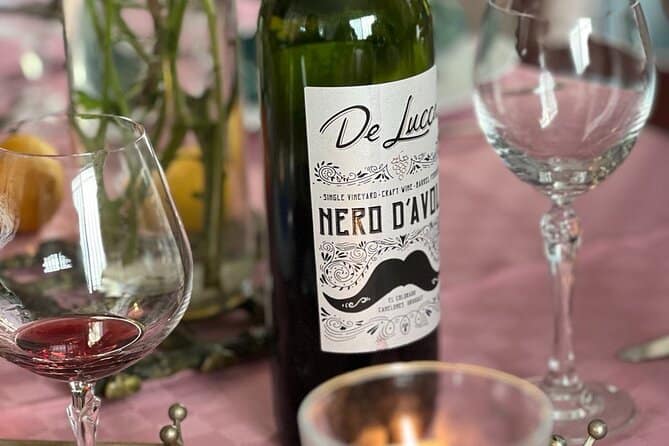
Located in the Canelones region, De Lucca has been a pioneer of low-intervention and biodynamic techniques since the 1990s.
- The “Bio” Edge: They operate under an integrated production system that protects local flora and fauna. Since 2022, they have held the LSQA Sustainable Certification, ensuring that their grapes are traceable and grown with minimal environmental impact.
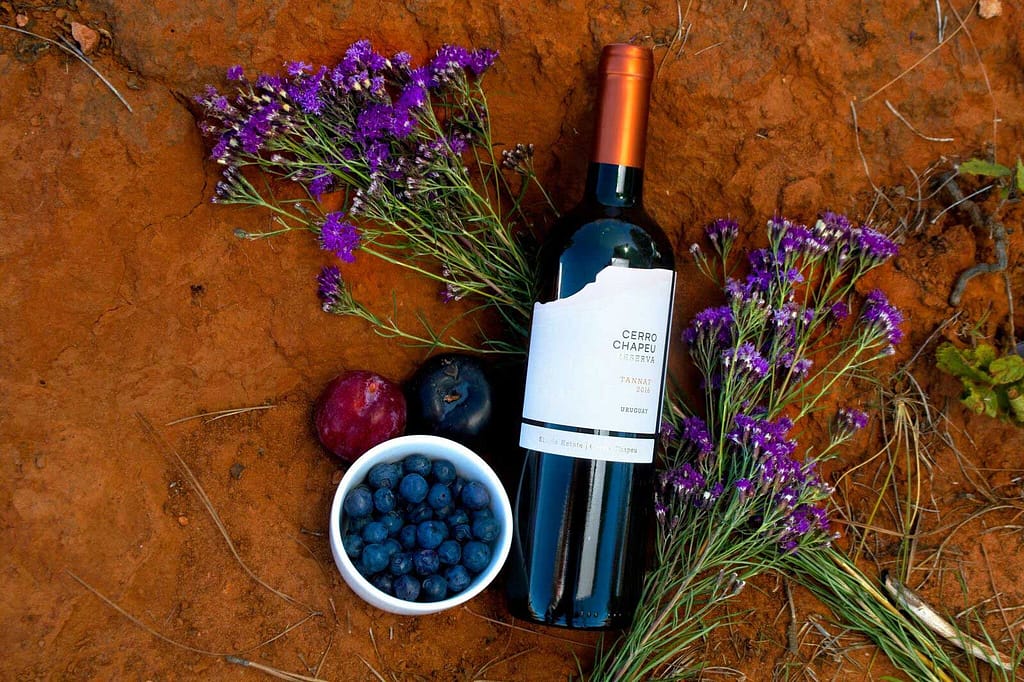
3. Bodega Cerro Chapeu: Gravity and Purity
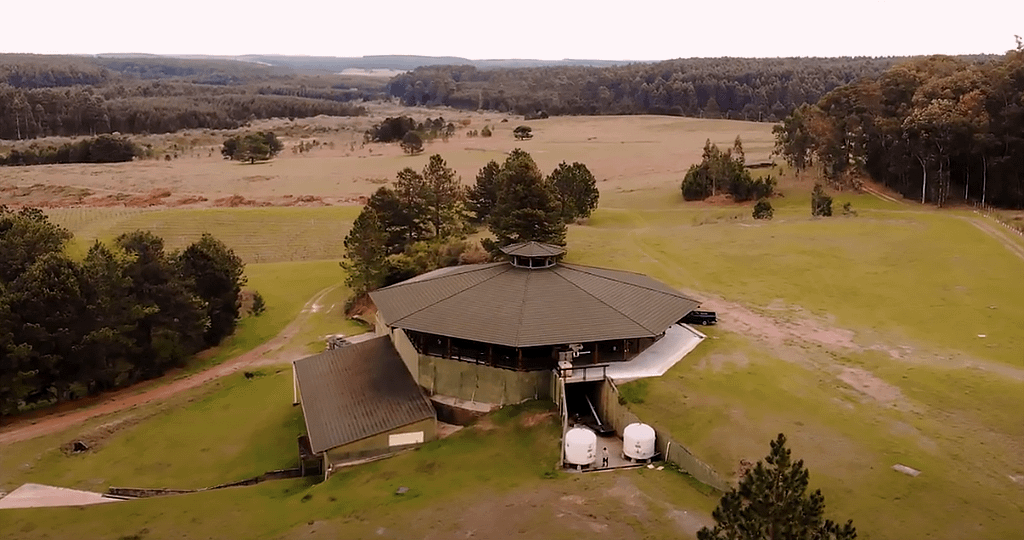
Sitting right on the border with Brazil in the Rivera department, Cerro Chapeu utilizes one of the purest environments in South America.
- The “Bio” Edge: The winery is built inside a hill, using gravity to move the wine rather than mechanical pumps (which can stress the product). They follow sustainable management practices that have been passed down through ten generations, focusing on deep, sandy red soils that require minimal chemical intervention.
4. Bodega Artesana: Women-Led Organic Innovation
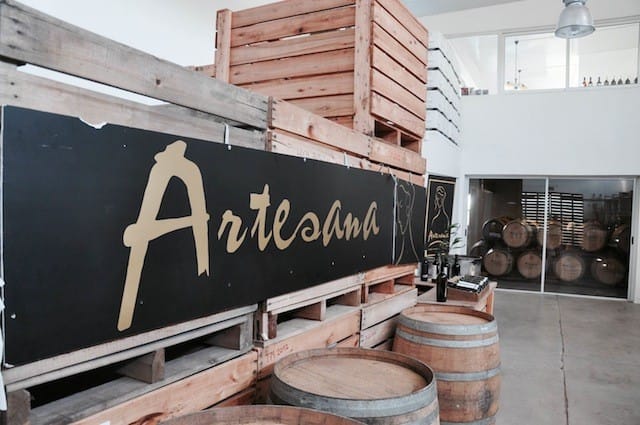
This boutique winery in Las Brujas is well-known for its commitment to sustainable practices and is often cited for its move toward organic production, particularly with the Zinfandel grape—a rarity in Uruguay.
Why it Matters for the Consumer
Biological vineyards don’t just protect the Uruguayan landscape; they change the flavor profile of the wine.
- Vibrancy: Organic grapes often have thicker skins, leading to higher antioxidant levels and more “vibrant” tannins in red wines like Tannat.
- Health: With zero pesticide residue, these wines appeal to the growing global market of health-conscious oenophiles.
The Verdict
Uruguay is successfully rebranding itself. It is no longer just a place that produces a lot of wine; it is a place that produces intelligent wine. By leaning into biological and sustainable practices, the country is ensuring that its “Green Pioneer” reputation extends all the way from its wind turbines to the glass on your dinner table.